Choosing the Right First Ultramarathon

I didn’t finish my first three ultras.
A DNF is hard to take, and it’s a feeling I know far too well. None of mine came down to bad luck. Having completed my first marathon in five and a half hours in January, I decided to jump straight into the ultra world. My first attempt at one was three months later at Zane Grey, a 50-miler (80 km) that runs along the Highline Trail beneath Arizona’s Mogollon Rim. The organizer warns it may be the most rugged trail you will ever run. I overestimated what I could do there and narrowly missed the cutoff. I repeated the same overreach at my next two ultras before finally finishing the DC Peaks 50-miler in October. Better guidance before registering would have spared me a lot of disappointment. I could have learned those lessons before the start line instead of at a cutoff.
As ultrarunners, we love to push the boundaries of what’s possible, but there’s a fine line between a proper challenge and attempting something beyond our reach. I wasn’t ready for those races yet, and the signs were there before I signed up. I picked them on distance alone and never compared what each one would ask of me with what I could actually do at the time. That gap is where most early ultras go wrong.
Distance Tells You Less Than You Think
So how do we actually figure out the demands of a race? Many runners pick their first ultra by distance. The trouble is that two races of the same length can be completely different events. Here are three 100-milers.

| Tunnel Hill 100 (Illinois) | Western States 100 (California) | Hardrock 100 (Colorado) | |
| Total climb | 1,800 ft | 18,090 ft | 33,441 ft |
| Time limit | 30 hours | 30 hours | 48 hours |
| Highest point | 706 ft | 8,750 ft | 14,048 ft |
| Typical race-day temperatures at the start | 45 to 63 °F | 35 to 77 °F | 30 to 75 °F |
| Terrain | Flat gravel rail trail | Mountain trail, deep canyons | Rocky passes, scree, snowfields |
Climb, time limit and highest point from each organizer. Temperatures are typical race-day values from historical weather records.
A steady road runner can do very well at Tunnel Hill. Western States asks for the same pace over ten times the climbing. Hardrock gives you 48 hours, and the average finisher takes about 40 of them. Two of the three won’t even let you enter until you have finished a qualifying race. A runner who would cruise through Tunnel Hill could be pulled at a Western States cutoff without being any less fit.
What I Check Before I Sign Up
Distance and date are where the research should start, not where it ends. These are the six things I look at now before I enter anything. Few races publish all six, and they rarely put them in the same place.
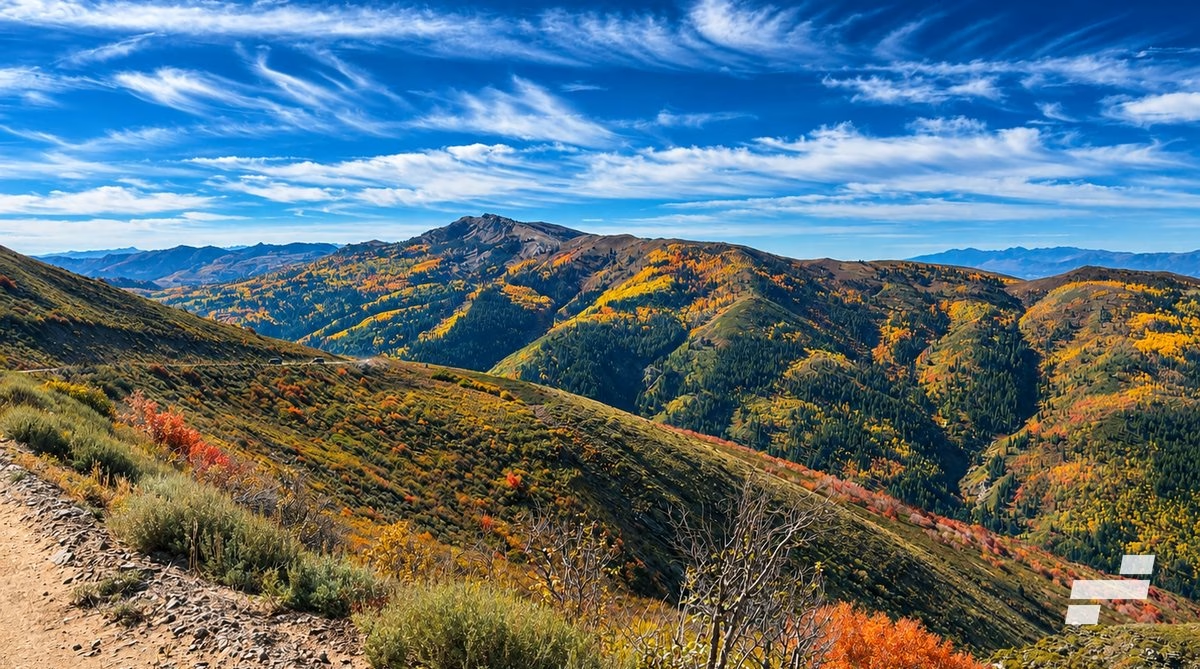
Climb. Divide the total climb by the distance. Around 20 feet per mile, you’ll run nearly all of it. Past 200 feet per mile, you’ll spend long stretches hiking, and the descents will take more out of your legs than the climbs.
The cutoff. Turn the time limit into a pace, then ask whether you can hold it on that terrain, late in the day, on tired legs. Read the intermediate cutoffs too. That’s where most runners are pulled.
Altitude. Above about 8,000 feet, most people who live near sea level slow down and recover more slowly. A few days at altitude won’t fix that, so it has to be part of the plan from the start.
Heat. Look up typical race-day temperatures, not just the date. Heat changes how much you need to drink and eat, and how fast you can safely go, far more than a few extra miles.
Terrain. Smooth fire road and rocky singletrack make for very different races at the same distance. If you’ve only trained on smooth trails, technical ground will cost you time and energy you didn’t plan for.
Support. Check how far apart the aid stations are. A long stretch on your own means carrying more food and water, and being comfortable alone, possibly in the dark.
Choose for the Runner You Are Today
The right first ultra isn’t the most famous one, or the one your friends are running. It’s the one that suits what you already do well, and stretches you in one or two areas where you have time to train.
Start by writing down what your training actually looks like right now: weekly mileage and climb, your longest run, the altitude you live at and the weather you train in. Then hold each race on your list up against it. If a race asks for one big step, say twice the climbing you’re used to, and you have four months to build it, that’s a good goal. If it asks for three big steps at once, such as more climb, more altitude and more heat, run something smaller first and come back to it.
Then Build Backward From Race Day
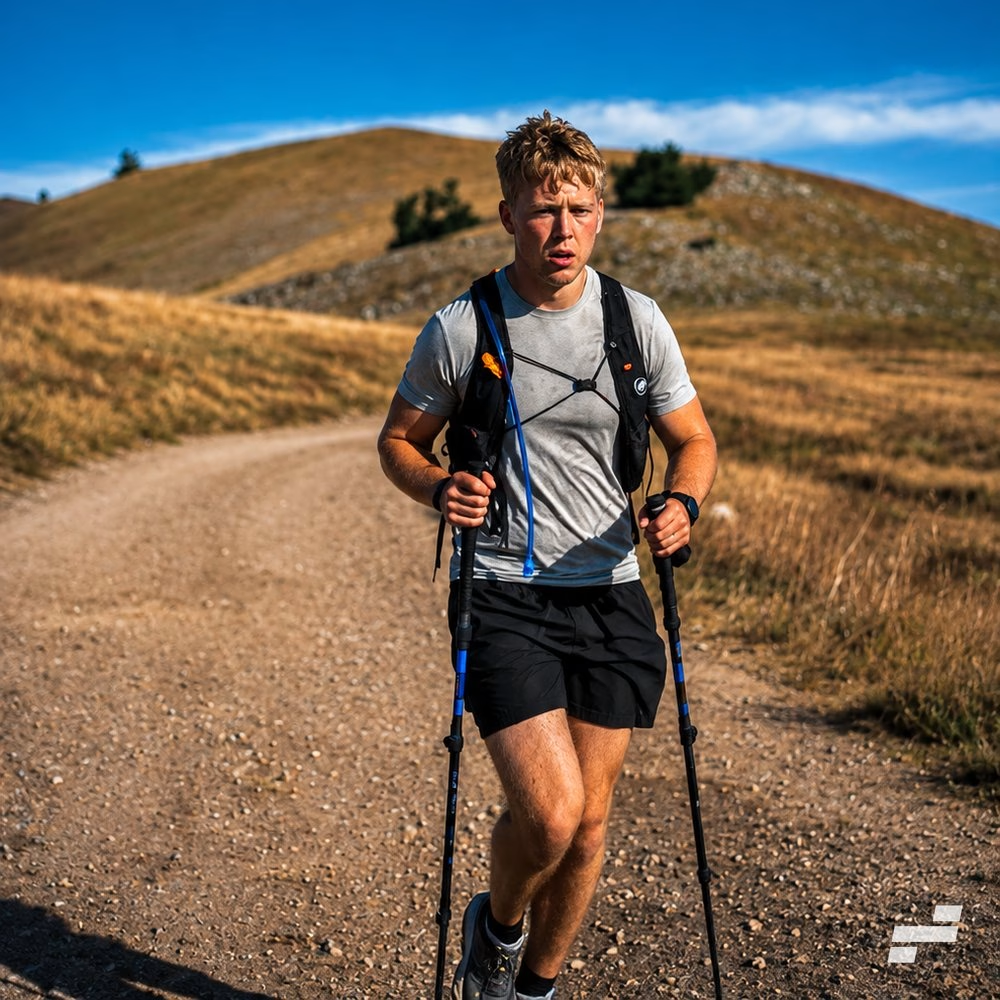
Once the race is chosen, its demands become the plan. More climbing means hill repeats, long hiking days and strength work for the descents. A tight cutoff means time on your feet at the pace you’ll actually need. Altitude means time spent high beforehand, or a clear plan for when to arrive. Heat means training in it over the final weeks and testing your fueling in warm conditions.
Coaches using EndoGusto can lay this out in the Training Arc, which plans the season in blocks around the goal race and tracks each week against the plan. The Weekly Summary then shows volume, heart rate and elevation totals, so the coach can see whether the climbing and time on feet are building toward what the race will ask for.
How I Choose Races Now
I used to do all of this by hand. The cutoffs were on the organizer’s website, sometimes buried in a runner’s guide PDF. The date, fee and entry rules were on the registration platform. Climb and altitude meant finding a course file someone had uploaded to Strava. Race-day weather meant searching years of weather history, and what the terrain is really like came from Reddit threads and old race reports. Some of those figures were years out of date, and comparing even three races took an evening of open tabs.
That research habit inspired me to build Find My Ultra, so nobody else has to do it by hand. It puts every one of these details in one place for more than 3,700 ultras in 73 countries: climb, cutoffs, altitude, typical race-day weather, terrain and everything else I could find. You can browse races on a map and filter by any of those details, so “a 50K in the spring” becomes “a 50K in the spring with under 5,000 feet of climb, a generous cutoff and nothing above 8,000 feet.”
The race pages go beyond the numbers. Many include past results, so you can see how long finishers actually take, along with race reports and videos from runners who have done the course. It’s the Reddit-thread research, without the hunting.
You can also tell it a bit about your training, and it’ll show you which races fit where you are right now, not where you hope to be in six months. If you coach, try it with an athlete before you plan their season. And if you’re looking for a coach, there’s a directory of them on the site.
It’s all free, every bit of it. It’s the tool I wish I’d had before I signed up for Zane Grey.

Find the Ultra That Fits You Today
My first three races taught me to choose a race I was ready for. When I finally did, at DC Peaks, I crossed the finish line I’d missed three times before. Pick the race that fits the runner you are today, train for what it will ask of you, and your first ultra can end where it should: at the finish, already thinking about the next one.