Coach Spotlight: Vasilis Chasiotis — From the Football Pitch to the Finish Line
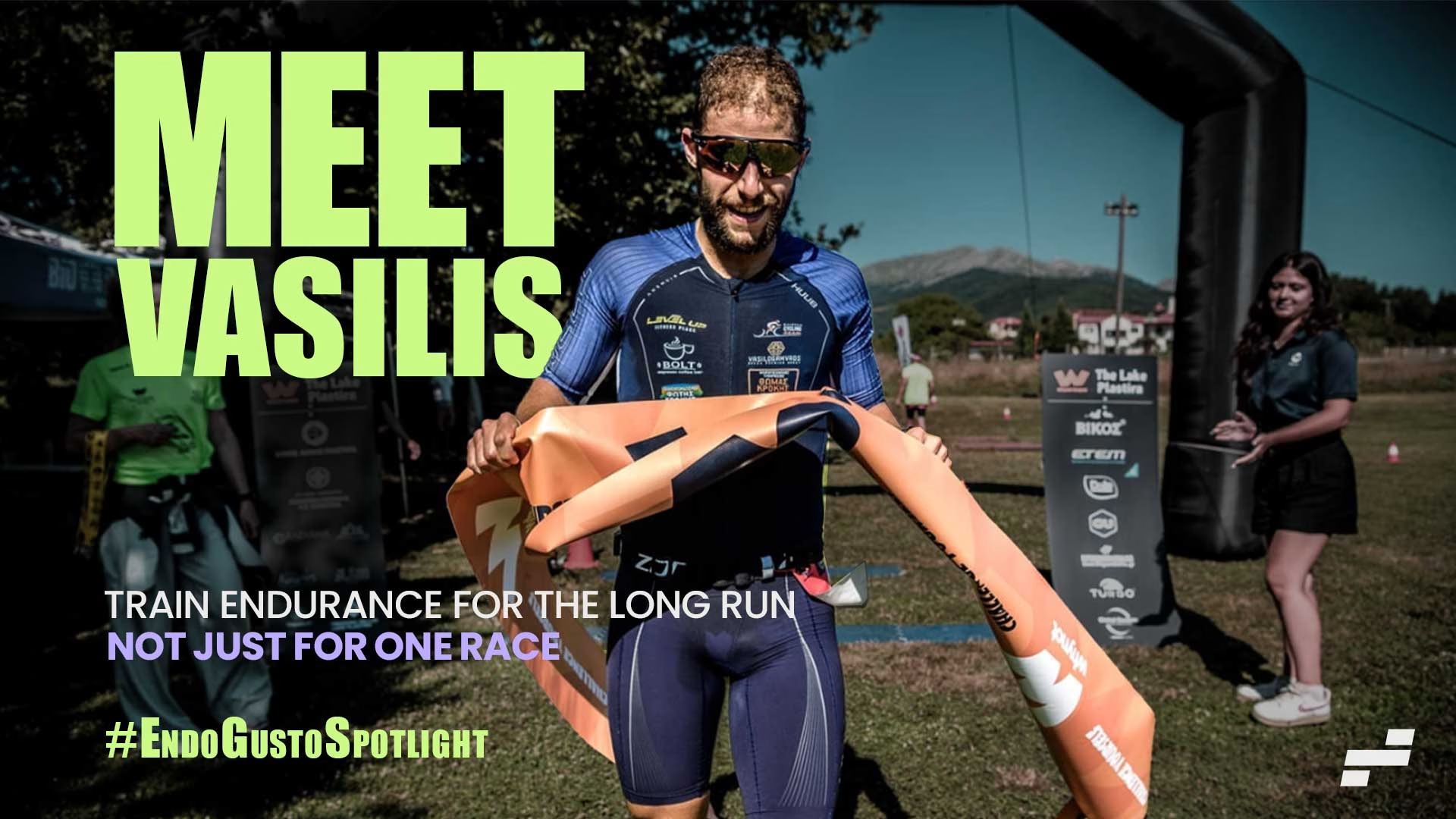
- From Football Dreams to a New Finish Line
- The Spark: Discovering Triathlon and a Ring at the Finish Line
- Keeping It Personal
- Building Community in Small-Town Greece
- Demystifying Triathlon
- What’s Next
In the small Greek city of Karditsa, surrounded by open roads and quiet countryside ideal for training, Vasilis Chasiotis has built a life around endurance sport. An EndoGusto coach and founder of a local fitness studio. He works with runners and triathletes both in person and online, helping them build strength, confidence, and consistency in their training.
But Vasilis didn’t start his journey in endurance sport. His path began on the football pitch, where an unexpected turn would eventually lead him to discover triathlon and a passion for coaching others.
From Football Dreams to a New Finish Line
Vasilis grew up in Karditsa with one dream: to play professional football. Although he came close, nearly signing with his local club, the deal didn’t materialize, so he channeled his love of sport into academics, studying Physical Education and Sport Science, where he specialized in football coaching. After graduating, he pursued a master’s degree in Maximizing Athletic Performance, completing his thesis on training zone distribution among amateur triathletes.
Back in Karditsa, he opened a small fitness studio and continued coaching football on the side. But a serious knee injury at age 27, narrowly avoiding an ACL rupture, forced him to step away from the pitch for good. The injury threatened his livelihood, and the risk of being unable to work was no longer worth it.
What came next was a pivot that would reshape his career entirely.
The Spark: Discovering Triathlon and a Ring at the Finish Line
After leaving football, Vasilis threw himself into strength training for a while. But during a casual fun run around the local lake with friends from his gym, he realized that the extra muscle mass was working against him in a sport that was pulling him in, and decided to shift gears.
He began running local races, joined a cycling group in Karditsa, and quickly fell in love with the bike. Getting into triathlons seemed like the natural next step, and, true to his character, went all in.
“I’m not the type to do things halfway,” he says. “Either I don’t do it at all, or I commit fully.”
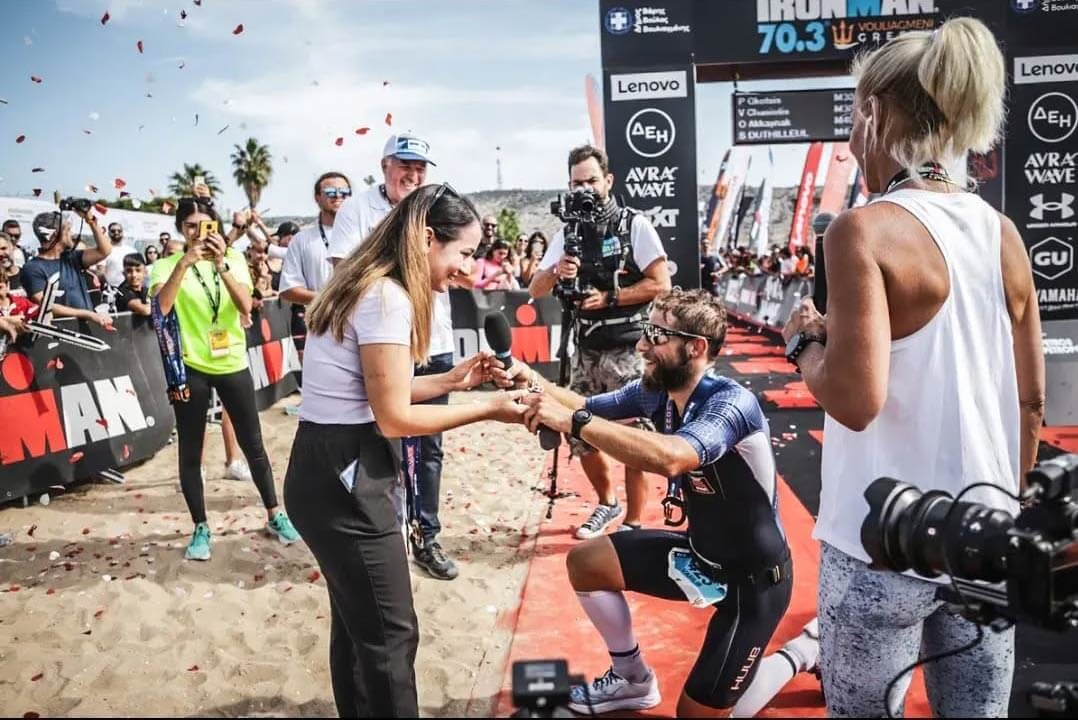
To kick things off right, at the finish line of his first triathlon – a half Ironman, no less – Vasilis got down on one knee and proposed to his now-wife. He had organized the whole thing meticulously, getting her involved as a medal presenter so she’d be at the finish area. He even has a photo of the moment: exhausted, sunburned, kneeling with the ring box in hand. With this as a start, the hook was set.
Qualifying for a World Championship
He continued to compete in road cycling alongside triathlon for a stretch, even entering two national cycling championships. But, eventually, triathlon became his sole competitive focus.
In 2024, Vasilis traveled to Belgrade for a half-distance triathlon, where he placed 8th overall and 2nd in his age group, earning qualification for the 70.3 World Championship in Marbella, Spain. The conditions in Belgrade were brutal: they left Karditsa in shorts and t-shirts on a warm September day and arrived to 6-degree weather, pouring rain, and fierce winds. Over 150 athletes didn’t start.
At the World Championship in Spain, he faced stiff competition, but came away proud, finishing in the top half of the field amid thousands of competitors.
A Philosophy Built on Longevity
At the heart of Vasilis’ coaching lies a principle he repeats to every athlete: finish standing up.
He sees a troubling trend in endurance sport, athletes rushing into marathons with eight weeks of preparation, filming vlogs about running without training, and then spending two weeks unable to walk. He finds no logic in it.
“I’d rather you finish ten minutes slower and be able to go to work the next day,” he says. “Or better yet, go for a run the next day.”
For Vasilis, endurance sport is a marathon, not a sprint. He urges his athletes, especially beginners, to build their aerobic base patiently, race conservatively, and let the times come naturally. One race, then the next, then the next, each one a little better. This is especially important, he believes, because most of his athletes are working professionals. Training sits alongside jobs, families, and daily life.
“Our jobs are what sustain us,” he explains. “So training needs to work with life, not against it.”
Keeping It Personal
Vasilis currently coaches 16–17 athletes and runs his gym in Karditsa. He has deliberately capped his roster at around 20, not out of lack of ambition, but out of commitment to quality.
“I want to have enough athletes that I can communicate well with each one,” he says. “Handing someone a plan and walking away isn’t for me. If I can’t watch your progress, give you regular feedback, and actually coach you, then what’s the point?”
He draws a sharp line between coaching and plan delivery. Anyone can download a marathon plan from the internet, he notes. But as distances grow, so does the value of a personal coach who can adjust, protect, and guide.
“A knee injury from overtraining will cost you more – in time, in physio bills, in lost motivation – than investing in proper coaching ever will.”
Building Community in Small-Town Greece
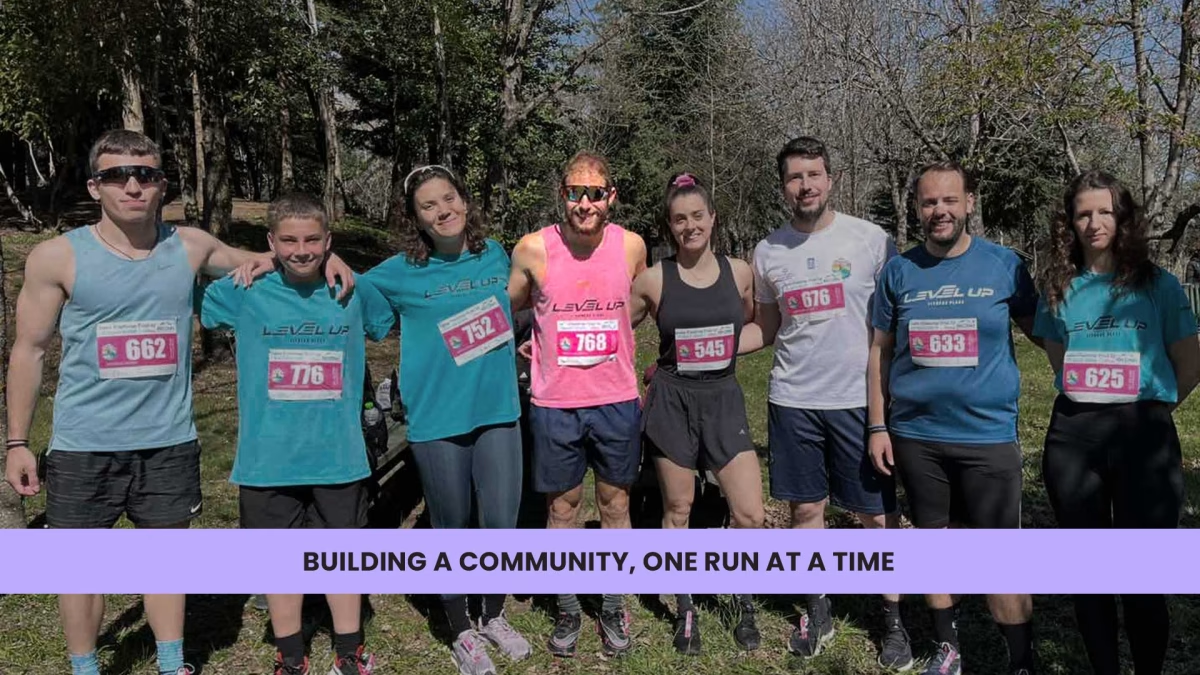
Despite Karditsa’s size, Vasilis is fostering a genuine endurance community. He organizes group entries to local and national races. He’s also planning his first group trip abroad: a gym outing to the Budapest Marathon in October. It’s new territory for him, coordinating flights, hotels, and logistics for a group, but the enthusiasm from his athletes has been overwhelming.
Some of the gym members who aren’t formal coaching clients still benefit from his guidance. He offers free running advice to three or four regulars who train at his facility, gently nudging them into the endurance world.
Demystifying Triathlon
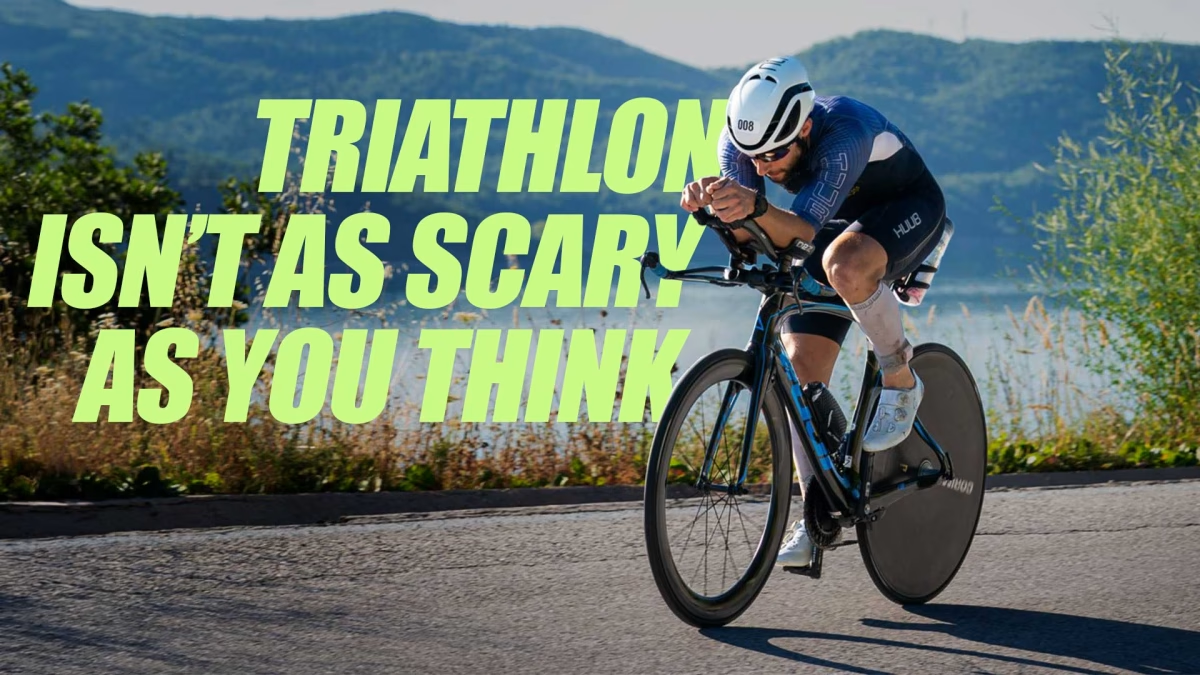
One of the biggest barriers to triathlon, Vasilis has found, isn’t fitness; it’s perception. People see him training 17–20 hours a week and assume that’s the minimum. He’s quick to correct them.
“I tell them: I’m not a good example. I train competitively. That’s not what you need.”
He breaks it down simply: with around 6–7 hours per week, you can complete an Olympic-distance triathlon. Around 9–10 hours gets you through a half Ironman. And for a full Ironman, expect 12–13 hours at peak training, not far off from serious marathon preparation.
For someone transitioning from marathon running to triathlon, his advice is practical: start with an Olympic distance, keep two swim sessions and two bike sessions per week, and leverage your running base. The aerobic fitness from marathon training transfers powerfully to the bike, and cycling serves double duty as active recovery from hard runs.
What’s Next
This year, Vasilis is stepping back from triathlon competition to focus on running. His goal: his first sub-3-hour marathon in Thessaloniki in April. He’s also eyeing the future. Somewhere down the line, he wants to return to triathlon and race at the half-distance World Championships again. And the ultimate dream? Kona. It’s distant and expensive, he admits, but it’s there, quietly pulling him forward.
In the meantime, he’ll keep doing what he does best: coaching with care, building community in Karditsa, and reminding his athletes that the real victory is crossing the finish line healthy, happy, and ready for whatever comes next.